Understanding the Importance of Körpernotdusche für Gewerbe
In industrial settings, safety is paramount, especially when handling hazardous materials. One critical component of workplace safety is the installation of emergency showers, specifically designed for rapid decontamination. A Körpernotdusche für Gewerbe provides essential protection for employees exposed to harmful substances, ensuring their immediate access to decontamination facilities. This article explores the significant role of these systems in professional environments, covering everything from regulatory compliance to best practices for installation and maintenance.
What is a Körpernotdusche?
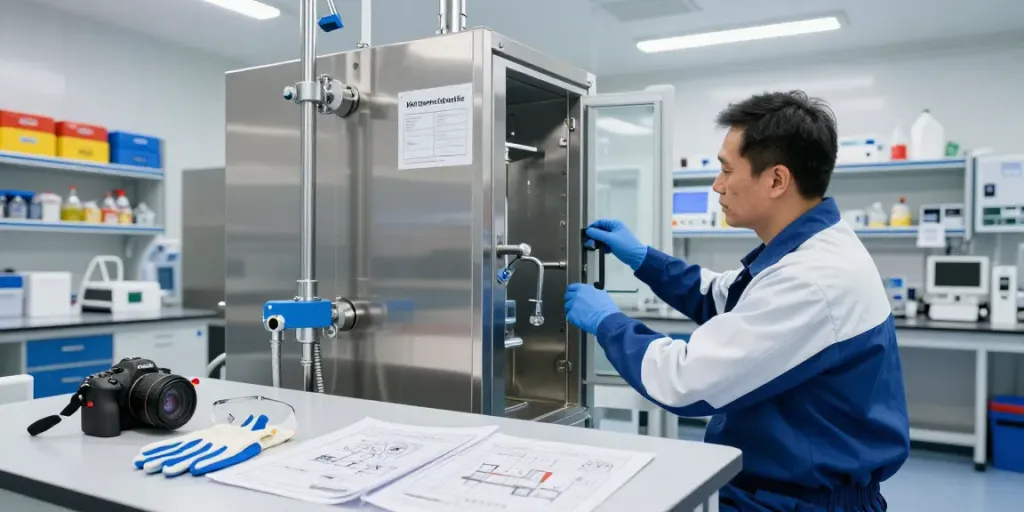
A Körpernotdusche, or body emergency shower, is a safety fixture designed to wash away hazardous materials from the body quickly. These units are typically installed in proximity to work areas where hazardous materials are handled, providing immediate response capability in case of exposure. The design of a Körpernotdusche includes a large showerhead, a control mechanism for water flow, and may often incorporate additional features for enhanced safety and usability.
Applications in Professional Settings
Körpernotduschen are prevalent in various industries, including chemical manufacturing, laboratories, and construction sites. Their applications are critical for:
- Decontamination: Quickly flushing away chemicals or hazardous materials from the skin.
- Compliance: Meeting safety regulations and standards set by organizations such as OSHA (Occupational Safety and Health Administration) and ANSI (American National Standards Institute).
- Employee Safety: Protecting workers from serious injuries and health risks associated with chemical exposure.
Regulatory Compliance and Safety Standards
In many countries, the installation of emergency showers like Körpernotduschen is mandated by law. Compliance with specific safety standards, such as ANSI Z358.1, is essential, which outlines the design, performance, and maintenance requirements for emergency showers. Regular inspections and maintenance play a pivotal role in ensuring that these units function correctly and provide reliable protection when needed.
Key Features of Effective Körpernotdusche Systems
Design and Material Considerations
The effectiveness of a Körpernotdusche depends significantly on its design and the materials used. Common materials include:
- Stainless Steel: Provides corrosion resistance and durability, ideal for industrial environments.
- Polyethylene: Lightweight and resistant to chemicals, often used in portable models.
- Safety Features: Options like non-slip flooring, visibility markings, and emergency lighting enhance user safety.
Water Flow and Temperature Control
Effective decontamination requires an adequate water flow rate. Most regulations recommend a minimum flow rate of 20 gallons per minute (75.7 liters per minute) for at least 15 minutes. Additionally, maintaining water temperature is essential; water should be tepid (60°F to 100°F or 15°C to 37°C) to reduce the shock of exposure and encourage thorough washing.
Additional Safety Features for Enhanced Performance
To improve user experience and safety, many Körpernotduschen come with optional enhancements, such as:
- Acoustic Alarms: Alert nearby personnel during an emergency.
- Lighting: Ensures pathways are visible in low-light conditions.
- Catch Basins: Prevent contaminated water from flooding the area, facilitating easier cleanup.
Best Practices for Installation and Maintenance
Installation Guidelines for Optimal Functionality
Proper installation of a Körpernotdusche is as crucial as its design. Key guidelines include:
- Proximity: Install within 10 seconds of access from the hazard location.
- Accessibility: Ensure the shower is clearly marked and unobstructed for immediate use.
- Regular Testing: Conduct monthly checks to ensure water flow and temperature meet safety standards.
Regular Maintenance Checks: A Necessity
Maintenance is vital for the reliability of a Körpernotdusche. Regular checks should include:
- Flow Rate Testing: Confirm minimum flow rates are maintained.
- Inspection for Leaks: Identify any potential leaks or malfunctions that could impede functionality.
- Cleaning: Ensure all components are free from debris or sediment that might affect operation.
Common Issues and Troubleshooting Tips
Common problems with Körpernotduschen can often be resolved with simple troubleshooting. Here are some typical issues:
- Low Water Pressure: Check for clogs or valve issues.
- Temperature Fluctuations: Inspect water heater settings and system integrations.
- Control Mechanism Failure: Ensure all mechanical parts are functioning and replace damaged components as necessary.
Customization and Specialized Solutions
Tailoring Körpernotdusche Systems to Specific Needs
Each industrial setting has unique requirements. Custom solutions for Körpernotduschen can be developed to meet specific challenges, such as:
- Environment-Specific Designs: Units can be tailored for extreme temperatures or unique spatial constraints.
- Specialized Materials: Offering various materials for environments with specific chemical exposures.
Industry-Specific Adaptations
Different industries have varying compliance requirements and hazards, necessitating adapted designs. For example, a laboratory may require showers that include eyewash stations, while a construction site may emphasize portability and maneuverability.
How to Request Custom Solutions from Suppliers
When seeking a customized Körpernotdusche, it is essential to provide potential suppliers with detailed information about specific needs. This can include:
- Description of Hazards: List materials handled and potential exposures.
- Site Conditions: Provide measurements, environmental considerations, and installation location details.
- Compliance Requirements: Specify any regulatory standards that need to be met.
Future Trends and Innovations in Körpernotdusche Technology
Emerging Technologies in Industrial Safety
As industrial safety evolves, advancements in technology are leading to more sophisticated Körpernotduschen. Innovations may include:
- Smart Monitoring Systems: Integration with IoT (Internet of Things) for real-time notifications on system performance.
- Augmented Reality Training: Utilizing AR for training personnel on emergency shower usage in real conditions.
Sustainability Practices in the Production of Safety Showers
With a growing emphasis on sustainability, manufacturers are increasingly focusing on eco-friendly materials and energy-efficient designs. This shift not only meets regulatory pressures but also aligns with corporate social responsibility goals.
Anticipating Changes in Regulatory Standards by 2026
The landscape of safety regulation is continuously adapting. By 2026, new standards may emerge, necessitating updates to existing systems. Organizations must stay informed about potential changes in compliance requirements to ensure ongoing safety and legality.
Frequently Asked Questions
What are the benefits of regular maintenance for safety showers?
Regular maintenance ensures that a Körpernotdusche is always ready for use, meets compliance with safety standards, and extends the longevity of the equipment.
How do I customize my Körpernotdusche for specific environments?
Customization can be achieved through consultation with suppliers and engineers who can design solutions based on specific environmental needs and compliance requirements.
What materials are best for body showers in industrial settings?
Materials such as stainless steel are commonly preferred for their durability and resistance to corrosion, while polyethylene is chosen for portable solutions.
How can I ensure compliance with safety regulations?
Consistently reviewing and adhering to local safety regulations and standards while keeping records of maintenance checks can ensure compliance.
What is the average delivery time for customized safety showers?
Average delivery times can vary widely depending on the specifications, with custom solutions typically requiring a longer lead time than standard models.